How Often Should You Pressure Clean a Coastal Property?
@josuecspk469
Living in Ballina, on the Northern Rivers coast of NSW, means enjoying beaches, river views and a relaxed lifestyle. It also means your home is constantly exposed to salt-laden air, high humidity, regular rainfall and warm temperatures. These conditions are tough on exterior surfaces. For most coastal properties in Ballina, a professional pressure clean once every 12 months is the recommended baseline, with some surfaces and locations needing attention every six months.
Why Coastal Properties Need More Frequent Cleaning
A home a few streets from Shelly Beach or Lighthouse Beach faces a very different environment from one inland. Understanding what you are up against makes it easier to decide on the right cleaning schedule.
Salt Spray and Salt Deposits
Salt carried on onshore breezes settles on walls, windows, roofing, fences, balustrades and outdoor furniture. Over time, salt deposits attract moisture, which can https://pressurecleaningballina.com.au/deck-cleaning/ accelerate corrosion on metal fixtures, roofing screws, gutters and aluminium window frames. Salt can also break down paint finishes and leave a chalky, dull film on surfaces.
Mould, Mildew and Algae
The Northern Rivers has a subtropical climate with warm, humid summers and significant rainfall. These are ideal conditions for mould, mildew, lichen and algae. Shaded south-facing walls, covered patios, pathways beneath trees and areas near gardens are particularly vulnerable. Left untreated, organic growth can establish quickly, stain surfaces permanently and create slip hazards on paving and decking.
Sand, Dust and Pollutants
Fine sand and airborne grit are carried into driveways, entertaining areas and window tracks. This abrasive material can scratch surfaces and trap moisture, which encourages further grime build-up.
Recommended Cleaning Frequency by Surface
Different parts of your property weather at different rates. The following guide reflects typical conditions in the Ballina area, though your specific location, exposure and tree cover will influence the ideal timing.
- House exterior walls (render, brick, weatherboard, cladding): every 12 months, or every 6 to 9 months if you are within a few hundred metres of the ocean or river, or if walls are heavily shaded.
- Roofs (concrete tile, Colorbond, terracotta): a soft wash or low-pressure clean every 2 to 3 years, or sooner if you notice dark streaking, moss or lichen. Roofs should never be blasted with high pressure, as this can damage tiles and void warranties.
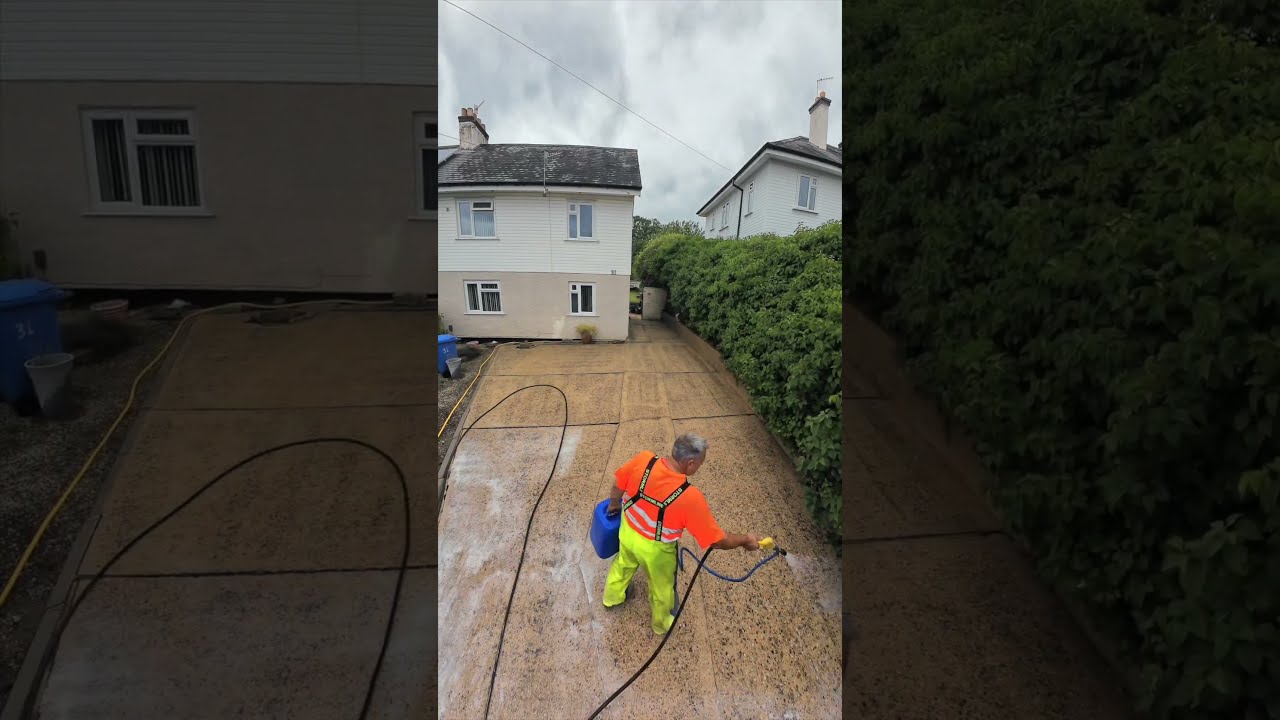
- Driveways and concrete paths: every 6 to 12 months to remove algae, oil stains, tannin from trees and general grime.
- Decks and timber surfaces: every 6 to 12 months, using appropriate pressure to avoid damaging the timber. Reseal or re-oil after cleaning when required.
- Pool surrounds and paved entertaining areas: every 6 months, as these areas are prone to slippery algae growth and are important for safety.
- Fences, gates and balustrades: every 12 months, with extra attention to metal components that are vulnerable to salt corrosion.
- Windows and frames: a regular rinse or wash every 3 to 6 months, with a gentle exterior clean during your annual service.
Factors That Influence How Often You Should Clean
Proximity to the Water
Beachfront and riverfront homes in areas such as Lennox Head, Skennars Head, East Ballina and along the Richmond River receive the heaviest salt exposure. These properties generally benefit from cleaning every six months. Properties further inland in places like Alstonville or Wollongbar may be able to stretch to 12 months, although humidity and tree cover still play a role.
Shade and Airflow
Areas that stay damp and out of direct sunlight, such as south-facing walls, narrow side passages and covered alfresco areas, grow mould and algae far faster than sun-exposed surfaces. If your home has dense vegetation nearby, you may need more frequent maintenance.
Surface Type and Condition
Porous materials like unsealed concrete, sandstone, render and some pavers hold moisture and absorb stains more readily. Sealed surfaces and smooth finishes tend to stay cleaner for longer. If your surfaces are already weathered, regular cleaning prevents further deterioration.
Seasonal Weather Patterns
Ballina’s wetter months often accelerate mould and algae growth. Many property owners schedule a clean in late winter or early spring to remove built-up growth before the humid summer season, then perform a smaller maintenance clean in autumn on high-traffic or high-risk areas.
Signs It Is Time to Pressure Clean
Even with a set schedule, keep an eye out for these indicators that your property needs attention sooner:
- Green, black or orange discolouration on walls, roofs or paving.
- Slippery surfaces on paths, steps, decks or pool areas.
- A white, chalky residue or visible salt crust on windows, cladding or metalwork.
- Rust-coloured streaks beneath fixtures, fasteners or railings.
- Peeling or dull paint, or a general faded appearance.
- A musty smell around damp, shaded areas.
The Benefits of Regular Pressure Cleaning
Regular cleaning is not just cosmetic. It is a form of preventative maintenance that protects your investment.
Protects your surfaces: Removing salt, mould and algae before they penetrate prevents staining, corrosion and premature breakdown of paint, sealants and building materials.
Improves safety: Algae-covered driveways, steps and pool surrounds are a genuine slip risk, particularly when wet. Routine cleaning reduces the chance of falls.

Maintains property value: A clean, well-presented home has stronger street appeal, which matters whether you are planning to sell, rent out a holiday property or simply take pride in your home.
Saves money over time: Regular maintenance can extend the life of paint, roofing, decking and concrete, helping you avoid more expensive repairs or early replacement.
Supports healthier living: Mould and mildew can contribute to unpleasant odours and may aggravate allergies or respiratory sensitivities for some people.
Pressure Cleaning vs Soft Washing on the Coast
Not every surface should be cleaned with high pressure. Roofs, painted weatherboards, rendered walls and delicate cladding are often better suited to soft washing, which uses low pressure combined with appropriate cleaning solutions to kill mould and algae at the root. This approach is gentler and tends to deliver longer-lasting results because it treats the growth rather than simply blasting away the surface layer.

Hard surfaces such as concrete driveways, pavers and some masonry can safely handle higher pressure. A qualified operator will assess each surface and select the right method, nozzle and pressure setting. Using too much force can etch concrete, strip paint, force water behind cladding or damage seals around windows and doors.
Environmental Considerations in 2026
The Northern Rivers is home to sensitive waterways, estuaries and coastal ecosystems, so how wash water is managed matters. In 2026, responsible operators are expected to prevent contaminated runoff from entering stormwater drains, creeks and the Richmond River. This can involve using biodegradable cleaning products, capturing and containing wastewater where required and following local council guidelines on stormwater protection. When choosing a service provider, ask how they manage runoff and which products they use.
Professional Cleaning vs DIY
Hiring a hardware-store pressure washer may seem like a cost-effective option, but there are risks. Incorrect pressure can damage surfaces, working at heights on roofs or second-storey walls is hazardous, and inadequate treatment may lead to quick regrowth of mould and algae. Professionals have commercial-grade equipment, suitable detergents, safety systems and the experience to clean efficiently without causing damage. For coastal homes with salt exposure, they can also advise on protective sealing and follow-up maintenance.
Tips to Keep Your Coastal Property Cleaner for Longer
Between professional cleans, a few simple habits can reduce build-up:
Rinse windows, door frames and metal fixtures with fresh water every few months to remove surface salt. Trim back overhanging trees and vegetation to improve sunlight and airflow. Keep gutters and downpipes clear so water drains properly rather than staining walls. Sweep driveways, paths and entertaining areas to remove sand and leaf litter. Consider applying a quality sealer to concrete, pavers and timber after cleaning to make surfaces more resistant to salt, moisture and staining.
Creating the Right Schedule for Your Ballina Property
As a general rule, an annual professional clean suits most Ballina homes, with six-monthly cleans recommended for beachfront and riverfront properties, heavily shaded homes and high-use areas like pool surrounds and decks. Holiday rentals and short-stay accommodation may need more frequent attention to keep presentation standards high between guests.
The most effective approach is to have your property assessed by a local pressure cleaning professional who understands Ballina’s coastal conditions. They can recommend a tailored maintenance plan based on your home’s materials, location and exposure. Regular, well-timed cleaning is far more affordable than restoring surfaces after years of salt and mould damage, and it keeps your home looking its best all year round.
Ballina Pressure Cleaning
0440 133 837